Biological hazards
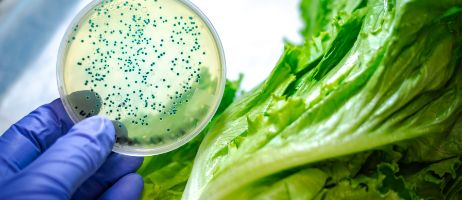
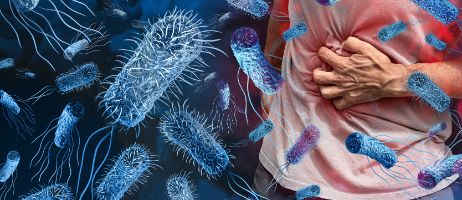
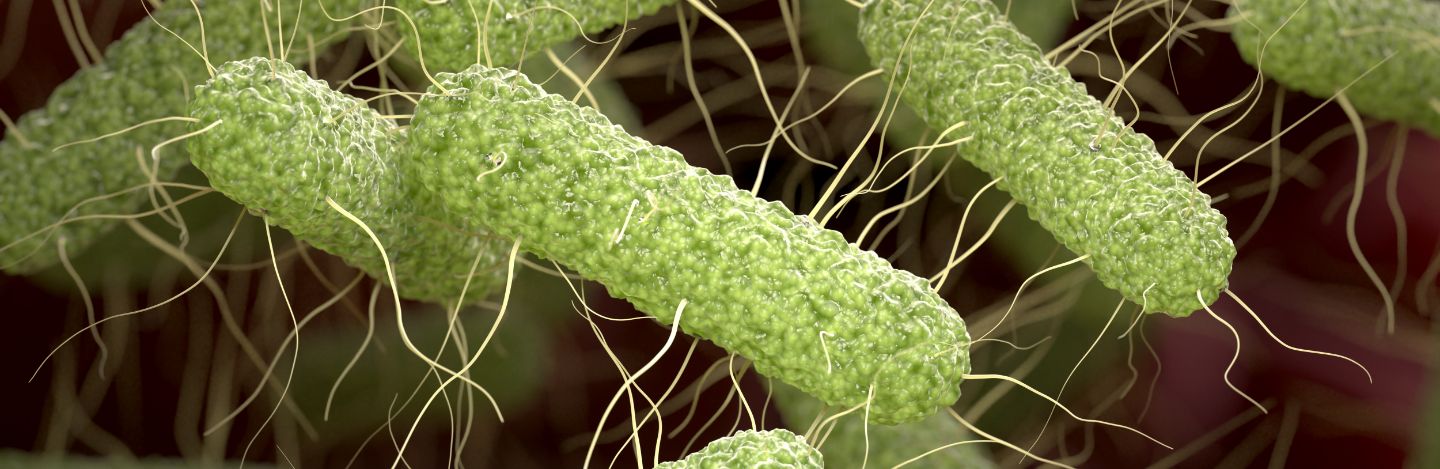
Food can act as a vehicle for various pathogenic microorganisms — such as bacteria, viruses or parasites — which pose a risk to public health. Some of these pathogens originate in farm animals and can contaminate products during the production process via faeces, skin, feathers and so on, where they may be naturally present.
There are also pathogens found in water and soil that can end up in food. Furthermore, organic fertilisers and sewage can contaminate fruit, vegetables and aquatic products if they are not managed properly. Furthermore, humans can also be a source of contamination if proper hygiene practices are not followed when handling and preparing food.
This section provides key information on the microbiological criteria that ensure food safety, as well as on the shelf life of products, which is an essential factor in preventing the proliferation of pathogens. This section also addresses foodborne diseases that can have a significant impact on consumers’ health, transmissible spongiform encephalopathies (TSEs), rare diseases of major public health significance, and animal by-products not intended for human consumption (ABPs), the proper management of which is crucial to preventing biological risks.