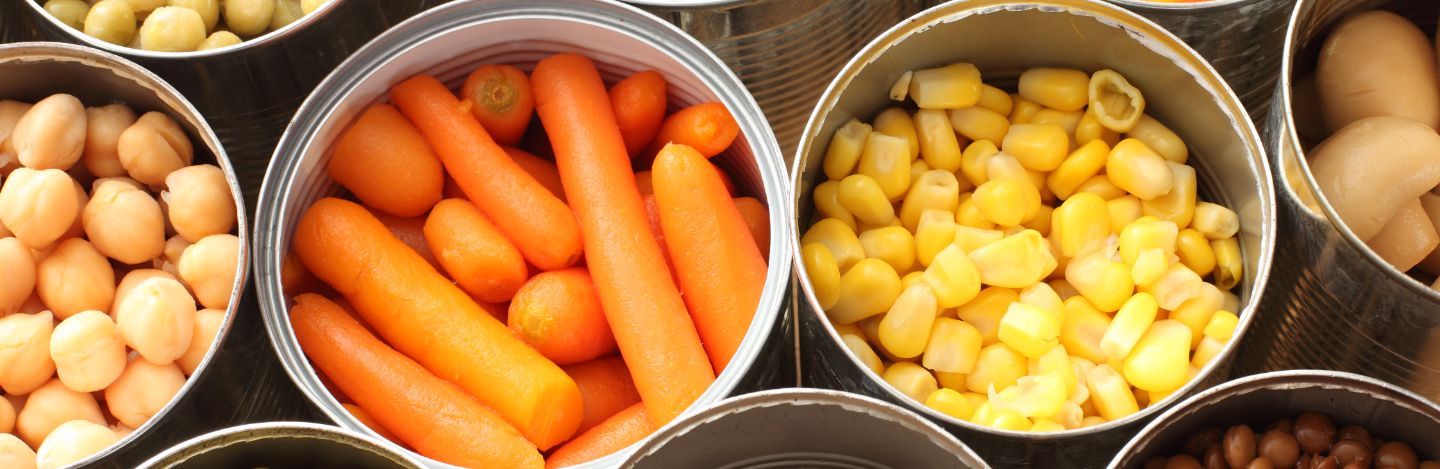
Food contact materials
It is understood that materials and articles intended to come into contact with food are those materials and articles that:
- are intended to come into contact with food;
- are already in contact with food and are intended for that purpose
- can reasonably be expected to come into contact with food or to transfer their constituents to food under normal or foreseeable conditions of use.
Materials and articles intended to come into contact with food shall be manufactured in accordance with Good Manufacturing Practices (GMP) so that, under foreseeable conditions of use, they do not transfer their constituents to food in quantities that could:
- endanger human health; or
- bring about unacceptable changes in the composition of the food; or
- cause deterioration in the organoleptic characteristics of the food.
Legal basis
Regardless of the type of material, there are two mandatory regulations that must be complied with.
These regulations ensure that all materials placed on the market within the EU meet the same quality requirements
Annex I to the aforementioned Regulation (EC) No 1935/2004 contains a list of materials for which the Regulation itself provides for the possibility of the European Commission drawing up specific measures.
Whilst this has been achieved for plastics (including recycled plastics), active and smart materials and objects, ceramics and regenerated cellulose film, it has not been achieved for the majority of the materials identified.
Where there is no specific harmonised legislation, any measures that Member States may adopt at national level will continue to apply.
In this regard, it may be of interest to consult the study carried out and published by the European Union’s Joint Research Centre (JRC), which sets out the list of national measures currently in place in the Member States.
These regulations ensure compliance with the legal requirements for materials that come into contact with food on an ongoing basis throughout the manufacturing process, through the following measures:
- the facilities must be suitable and staff must be familiar with the critical stages of production,
- documented quality assurance and quality control systems shall be maintained at the premises, and
- suitable raw materials will be selected for the manufacturing process to ensure that the finished articles are safe and sufficiently inert.
The guidelines on good manufacturing practice apply to all stages of the process, although the production of raw materials is subject to separate legislation
Specific measures concerning food contact materials
Submission of applications for the inclusion of new substances
Once specific measures have been drawn up in relation to a particular material and lists of substances authorised for its manufacture have been published, Regulation 1935/2004 provides for the possibility of applying for new substances to be added to those lists.
To this end, the relevant application must be submitted to the competent authority of a Member State via the National Contact Points, so that it can be forwarded to the European Food Safety Authority (EFSA) for it to assess the safety of the substance in question and issue an opinion, which will be taken into account by the European Commission when making a decision.
On 27 March 2021, Regulation (EU) 2019/1381 of the European Parliament and of the Council of 20 June 2019 on the transparency and sustainability of risk assessment in the EU food chain, which, in Article 5, refers to the amendment of Regulation 1935/2004, stating in relation to Article 9(2) that “The Authority shall publish detailed guidelines, agreed with the Commission, on the preparation and submission of the application, including standardised data formats where available, in accordance with Article 39(7) of Regulation (EC) No 178/2002, which shall apply mutatis mutandis.”
Applications must be submitted via the Electronic Registration Application (ARE) by applicants who hold a Spanish digital certificate, including consultancy firms acting as representatives. IMPORTANT! On this site, you must identify yourself as the ‘interested party’.
The dossiers forming part of the applications shall be drawn up in accordance with the provisions set out in the guidelines published by EFSA and the European Commission for this purpose, which are currently limited to the field of plastic, active and smart materials:
Further information on materials intended to come into contact with food
Further information of interest:
Relevant information regarding bamboo materials and products, and other similar materials
Plastic articles intended to come into contact with food are regulated at European Union level by Regulation (EU) No 10/2011 on materials and articles intended to come into contact with food; Article 5 of that Regulation stipulates that only those substances identified in the Regulation itself may be used in their manufacture.
Consequently, if different substances were used, the plastic articles produced in this way and intended to come into contact with food would be deemed non-compliant with the applicable legislation and could not be placed on the market.
In this regard, the European Commission’s expert group on materials in contact with food has discussed this issue, clarifying the doubts that initially surrounded the legality of certain plastic items containing natural materials, which were claimed to have certain benefits (e.g. being eco-friendly) and which contributed to a considerable increase in their market presence.
Consequently, the European Commission and the Member States have concluded that joint action is required to ensure compliance with current legislation and, consequently, the safety of users of plastic articles intended to come into contact with food, which are manufactured using plant-based materials such as bamboo, maize, wheat straw, coffee, soya protein, etc., which, in addition to having been linked to safety risks, are not identified in the Regulation as authorised substances for the manufacture of such articles and which, therefore, should not be present on the European Union market.
Furthermore, operators wishing to use this type of unauthorised material in the manufacture of plastic articles intended to come into contact with food should submit an application so that the European Food Safety Authority (EFSA) can carry out the relevant safety assessment and issue an opinion to enable a decision to be made on their authorisation.