Chemical contaminants
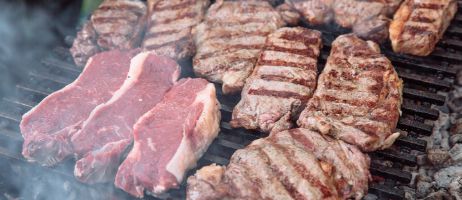
Chemicals play an important role in food production and distribution. The presence of chemicals in food may be unintentional, resulting from environmental contamination (air, water or soil) or from common cooking practices (barbecuing, deep-frying, etc.), and the risks associated with these must also be analysed.
'Contaminants' are substances that have not been intentionally added to food, but which are present in it as a result of the various stages it undergoes throughout the food chain: production, manufacture, processing, preparation, treatment, conditioning, packaging, transport and storage; or as a result of environmental contamination.
Contamination usually has a negative impact on food quality and may pose a risk to human health; therefore, in the interests of public health, the levels of these contaminants must be kept within levels that are acceptable from a toxicological point of view and consistent with good professional practice (this is known as the ALARA principle: ‘As low as reasonably achievable’). Furthermore, these levels need to be regulated at European Union level, thereby ensuring the proper functioning of the internal market.

Base legal
Constitutes constitutes the current legislative framework in this area, setting out three main lines of action:
- Public Health: The marketing of foodstuffs containing contaminants in quantities that are unacceptable from the point of view of public health, and in particular from a toxicological perspective, is prohibited.
- Good Manufacturing Practices: Contaminants must be kept to the lowest possible level through good practices at every stage of the food chain, from production to consumption.
- Public health and the internal market: To protect public health, maximum levels shall be established where tolerances for certain contaminants may be necessary.
** It is important to note that Regulation 315/93 does not apply to contaminants that are subject to more specific regulations, such as materials in contact with food, pesticide residues and residues of veterinary medicinal products.
They form a non-exhaustive Community list, as not all contaminants in all foods are regulated, but only those that may pose a risk to public health. The fact that there is no established maximum level for a particular contaminant in a specific foodstuff does not mean that the level is ‘zero’, but rather that the quantities found do not pose a risk to public health.
Maximum limits are set in the European Union in accordance with the procedure of the Standing Committee on Plants, Animals, Food and Feed, following consultation with the European Food Safety Authority (EFSA). We, the Member States, participate in the procedure through our representation on the Committee and by contributing to the working groups set up by the European Commission in this area. The Spanish Agency for Consumer Affairs, Food Safety and Nutrition represents Spain on this Committee, where issues relating to contaminants in food are addressed within the section on Toxicological Safety in the Food Chain, and it also provides experts for the Working Groups on Contaminants.
Tipos de contaminantes
Mycotoxins
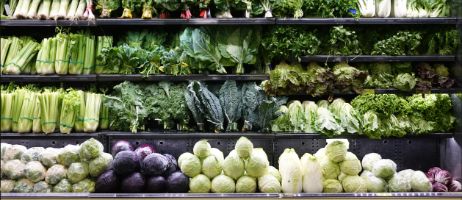
Nitrates
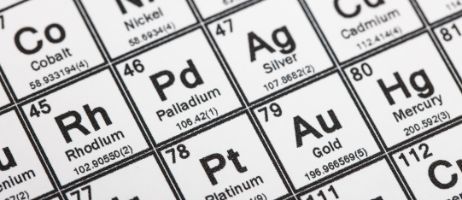
Metals and metalloids
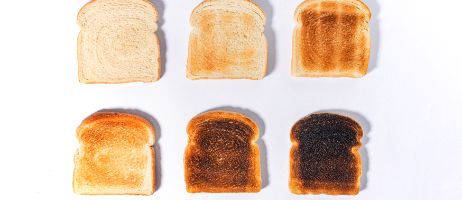
Acrylamide
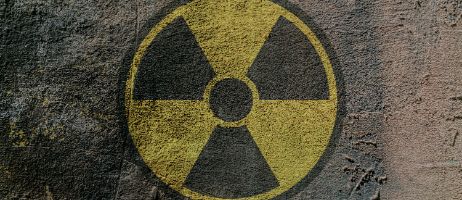
Radioactive contamination
Natural toxins
Persistent Organic Pollutants (POPs)
3-MCPD, glycidol and its esters
Polycyclic Aromatic Hydrocarbons (PAHs)