

Organisation
Management team
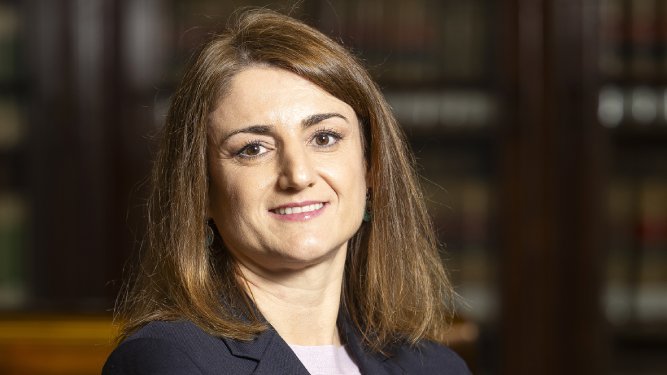
Ana Mª López-Santacruz Serraller

Lucía Gestal Souto
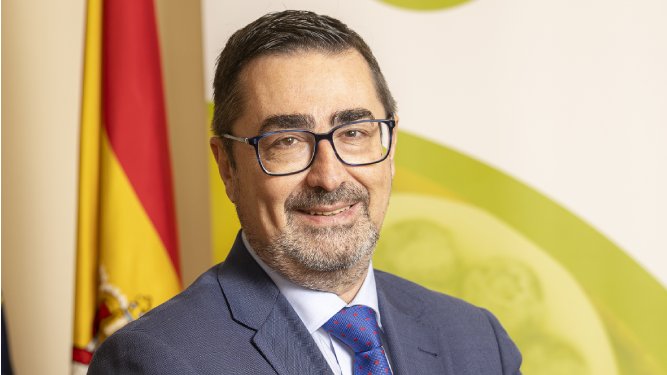
Victorio Teruel Muñoz
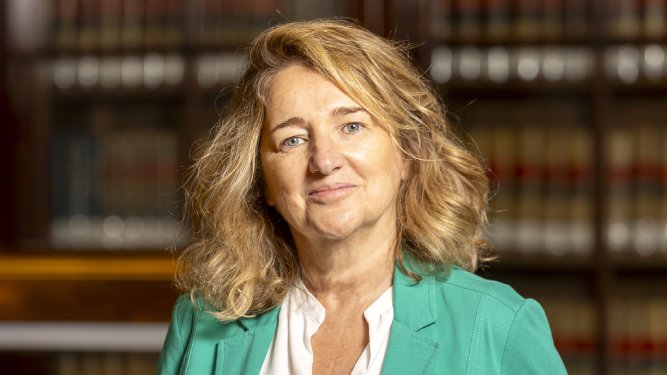
Paloma Cervera Lucini
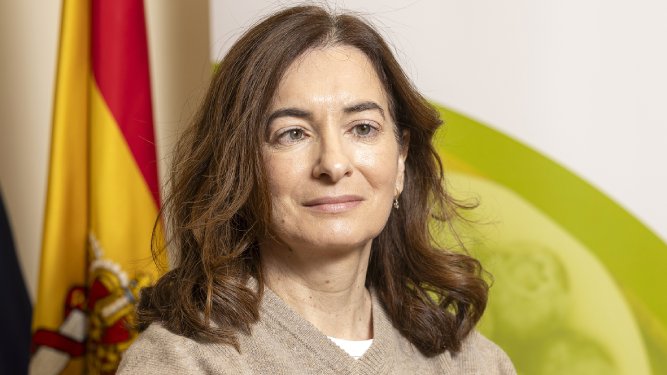
Almudena Rollán Gordo

María Aranzazu López Franco
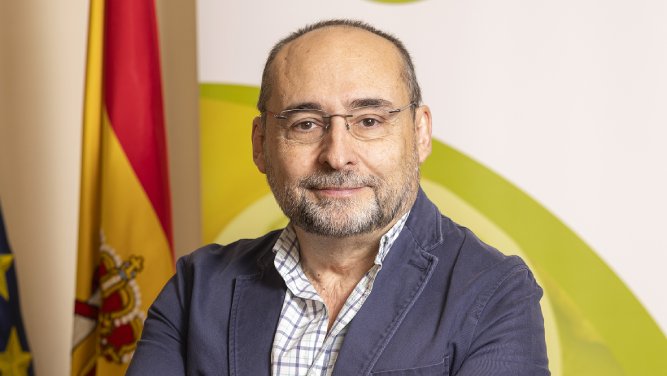
Vicente Calderón Pascual
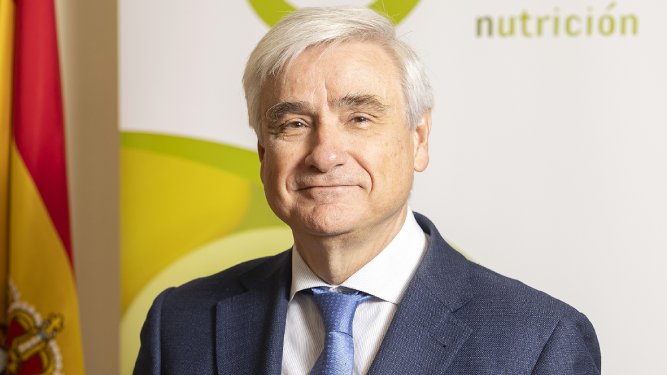
Fernando Castillo Badal
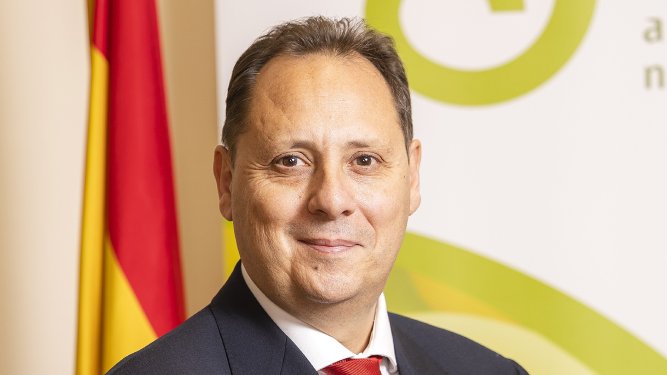
Agustín Palma Barriga
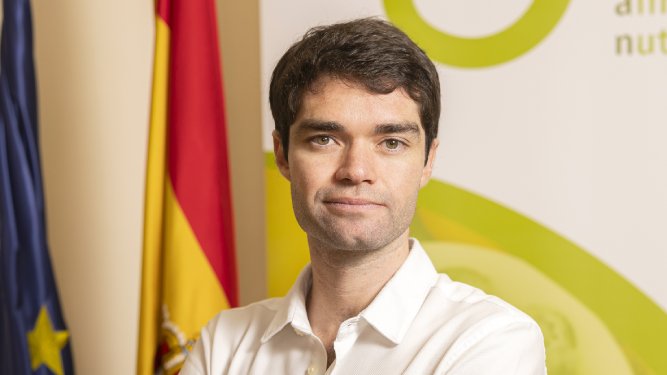
Carlos Bellón Marrero
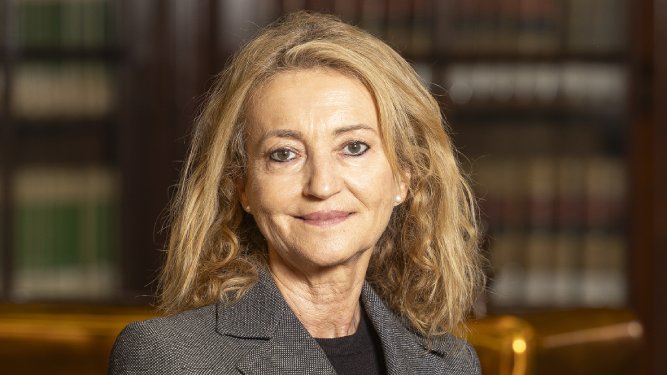
Juana Bustos García de Castro
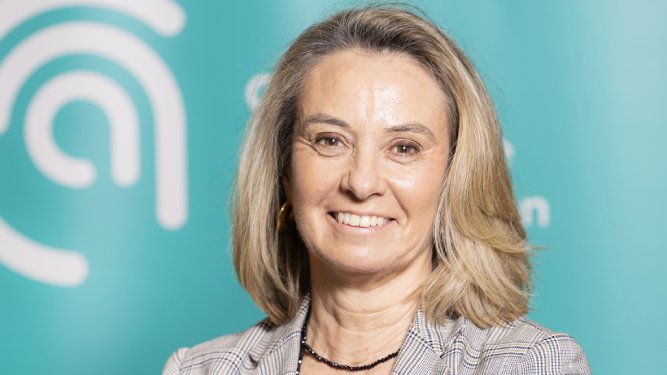
Paloma Díez Alonso
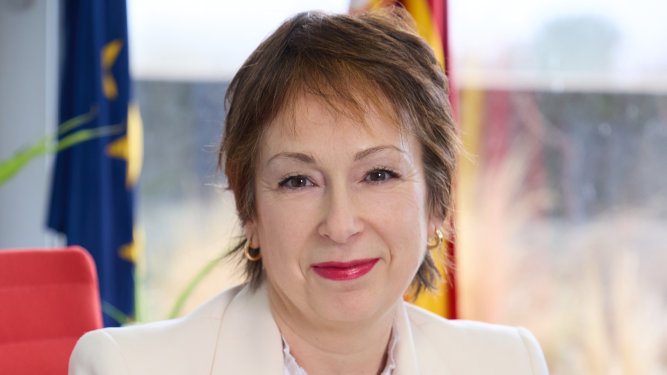
Sabrina Otero Romero
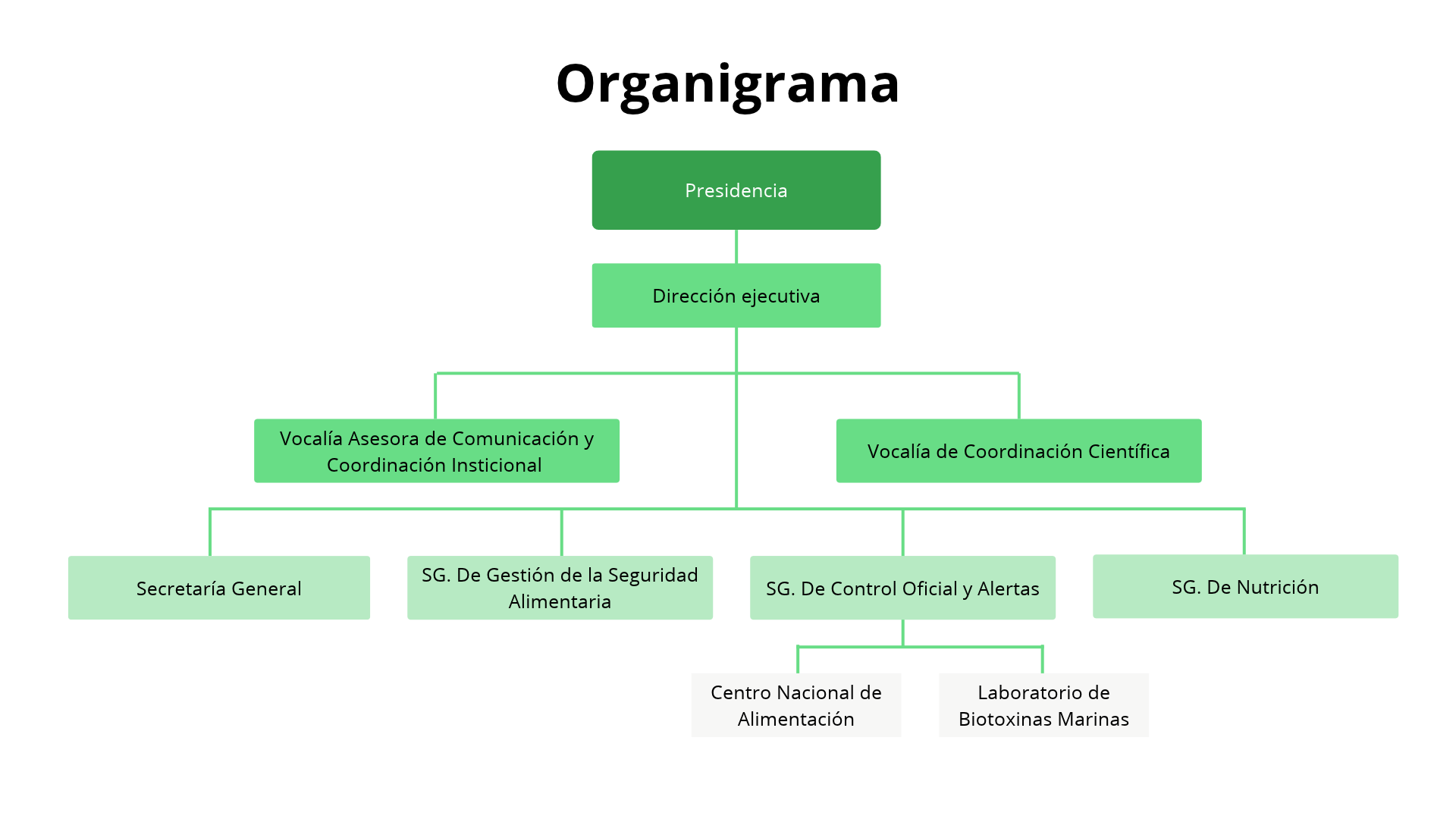
Organisation chart
Bodies of the Agency
01. Governing bodies
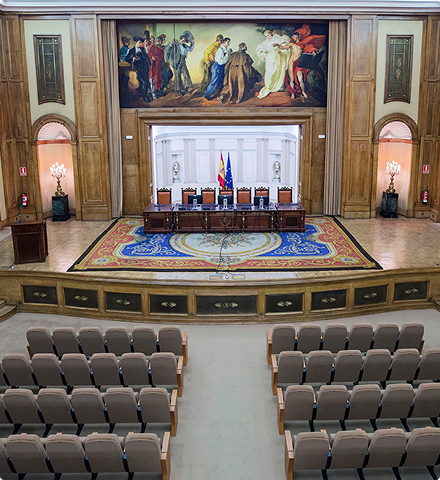
AESAN has two governing bodies: the Presidency, held by the Head of the General Secretariat for Consumer Affairs and Gambling, and the Governing Board, which is responsible for ensuring that the objectives assigned to the Presidency are achieved and for exercising overall management of the body.
 Andrés Barragán Urbiola (Barcelona, 1990) is a government economist. He is currently Secretary-General for Consumer Affairs and Gambling at the Ministry of Social Rights, Consumer Affairs and the 2030 Agenda. He has spent his professional career at the Ministry of Economy, Trade and Enterprise, serving as Deputy Director-General for Multilateral Development Banks, the IMF and the G20. Between 2021 and 2023, he was Chief of Staff at the Treasury, and prior to that he was an adviser to the State Secretary for the Economy. He has also served as a director of the Instituto de Crédito Oficial, and as Spain’s official representative to European Union institutions and various international organisations.
During his time at the Ministry of the Economy, he has been involved in activities relating to the formulation of economic and financial policy and has served on the governing bodies of various institutions. Andrés has received specific recognition for his contribution in areas such as the design of support measures for businesses during the pandemic, the planning of the addendum to the Recovery, Transformation and Resilience Plan, managing the legacy of the financial crisis, and negotiations with the banking sector.
He holds a Bachelor’s degree in Physical Sciences, specialising in Theoretical Physics (2008–2013), and a Bachelor’s degree in Philosophy (2008–2014), both from the Complutense University of Madrid. Since 2017, he has been a career civil servant in the Higher Corps of State and Economists and Trade Officers. Through a range of courses, he has specialised in financial analysis, economic policy and international institutions.
The Governing Council is responsible for ensuring that the objectives assigned to the presidency are achieved and for exercising overall management of the organisation.
Members
Rules of Procedure
Minutes
02. Executive Management
The Executive Management acts as the Agency’s legal representative and is responsible for managing the Agency’s staff, services and activities.
- Secretaría General
- Subdirección General de Gestión de la Seguridad Alimentaria
- Subdirección General de Control Oficial y Alertas
- Subdirección General de Nutrición
03. Collegiate bodies for coordination and advice
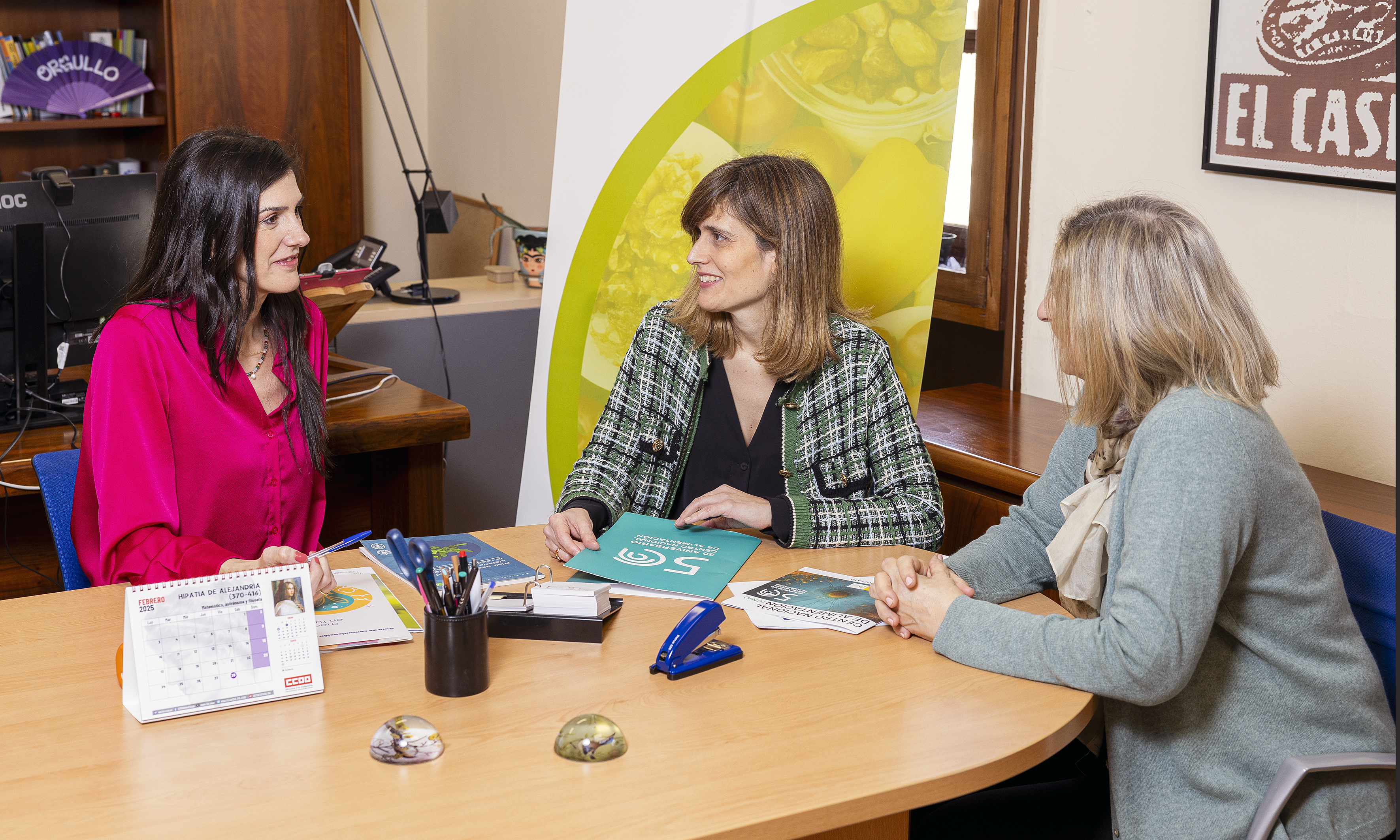
The Institutional Committee is the Agency’s body responsible for establishing effective mechanisms for coordination and cooperation between Public Administrations with responsibilities in the field of food safety and nutrition. It carries out inter-territorial and inter-departmental coordination functions within these areas of the Agency’s remit.
The Institutional Committee will maintain the necessary communication with the Inter-territorial Council of the National Health System, the Sectoral Conference on Consumer Affairs, the Sectoral Conference on Agriculture and Rural Development, as well as with the relevant Sectoral Committees and working groups, and, where appropriate, with other Sectoral Conferences that may be affected.
Members
Rules of Procedure
Minutes
The Advisory Board is the body through which the society actively participates in matters relating to food safety and nutrition.
Members
Rules of Procedure
Minutes
04. Collegiate risk assessment body
The Scientific Committee of the Spanish Agency for Food Safety and Nutrition, as provided for in Article 4.4 a) of Law 11/2001 of 5 July, is the body responsible for providing the scientific advice necessary for the Agency to carry out the activities entrusted to it. In this regard, the Scientific Committee is responsible for providing scientific opinions on food safety and nutrition, defining the scope of the research work required to fulfil its remit, and coordinating the work of the expert groups carrying out risk assessment activities within the framework of the Agency’s work.
Law 17/2011 of 5 July on food safety and nutrition establishes in Article 31 that the Scientific Committee is the body within AESAN responsible for conducting risk assessment and identifying emerging risks.
The Scientific Committee is made up of 20 members with recognised scientific expertise in various fields relating to food safety.
AESAN Scientific Committee: science in the service of safe and healthy food
Interviews with the Chairs of the AESAN Scientific Committee
Interview with the Chair of the AESAN Scientific Committee – International Day of Women and Girls in Science
05. Other related bodies
The purpose of the Co-ordination Committee is to organise the structure of functional subordination of the autonomous body, the Spanish Agency for Food Safety and Nutrition, to the Ministry of Social Rights, Consumption and the 2030 Agenda, the Ministry of Health and the Ministry of Agriculture, Fisheries and Food, as well as to adopt the necessary measures to coordinate the actions of those ministries in order to ensure their cohesive functioning in relation to the remit of the aforementioned autonomous body.
The Observatory serves as an information system to monitor the nutritional status and trends in obesity among the Spanish population, and as a platform for bringing together all the relevant stakeholders, where the objectives of the Strategy on Nutrition, Physical Activity and Obesity Prevention (NAOS) converge with the promotion of healthy eating and physical activity.
All the information can be found via this link.
Creada por el Real Decreto 950/2021, de 2 de noviembre, por el que se crea la Comisión Interministerial para la Ordenación Alimentaria y se determinan su composición y funciones, que ha derogado el Real Decreto 1456/1982, de 18 de junio, por el que se regula la Comisión Interministerial para la Ordenación Alimentaria (CIOA). La CIOA es un órgano colegiado constituido para coordinar y armonizar las disposiciones normativas referidas al ámbito alimentario. Sus informes tienen carácter preceptivo en los aspectos técnicos, sanitarios, de comercialización y de protección al consumidor en el ámbito de la ordenación alimentaria. La Comisión se adscribe a la Agencia Española de Seguridad Alimentaria y Nutrición.